Table of Contents
- What Is a Day Trading App?
- Why Choosing the Right Day Trading App Matters
- Features to Look for in the Best Day Trading App
- Mobile Trading Versus Desktop Trading
- User Experience and Platform Design
- Take control of your trading future
- Security and Reliability
- Educational Resources for Traders
- The Role of Technology in Modern Day Trading
- How Automated Tools Are Influencing Trading
- Common Mistakes When Choosing a Day Trading App
- How Beginners Can Choose the Best Day Trading App
- How Experienced Traders Evaluate Platforms
- The Future of Day Trading Apps
- Final Thoughts
- Disclaimer
Day trading has become more accessible than ever. With the rise of mobile technology, cloud-based platforms, and real-time market data, traders can now access financial markets from almost anywhere. As a result, many people searching for the best day trading app are looking for a platform that combines speed, reliability, ease of use, and advanced trading features.
The challenge is that there is no single app that is perfect for everyone. The best day trading app for one trader may not be the best choice for another. Trading style, experience level, available markets, and personal goals all play a role in selecting the right platform.
This guide explains what makes a great day trading app, which features matter most, and how traders can evaluate their options before committing to a platform.
What Is a Day Trading App?
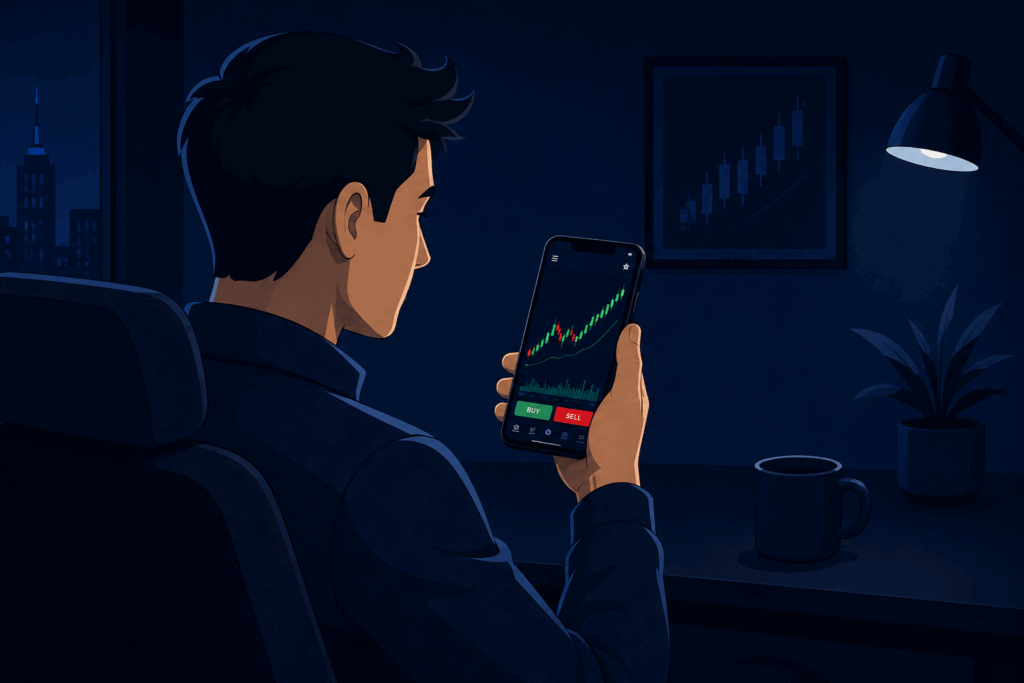
A day trading app is a software platform that allows traders to buy and sell financial instruments throughout the trading day.
Unlike long-term investing applications, day trading apps are designed for active market participation. They provide access to real-time charts, technical indicators, fast order execution, and market analysis tools.
Most day trading apps support markets such as:
- Stocks
- Forex
- Indices
- Commodities
- ETFs
- Cryptocurrencies
The primary purpose of a day trading app is to help traders identify opportunities and execute trades quickly.
Why Choosing the Right Day Trading App Matters
The platform you use can directly impact your trading experience.
A slow or unreliable platform may cause delays in order execution. Poor charting tools can make market analysis more difficult. Limited customization can prevent traders from building a workflow that suits their strategy.
A high-quality day trading app helps traders:
- Monitor markets efficiently
- Execute trades faster
- Manage risk effectively
- Analyze price movements
- Stay organized during volatile market conditions
For active traders, platform performance can be just as important as the trading strategy itself.
Features to Look for in the Best Day Trading App
Real-Time Market Data
Real-time market data is one of the most important features for day traders.
Since day traders often make decisions based on short-term price movements, delayed information can create challenges.
Look for platforms that offer:
- Live market prices
- Real-time chart updates
- Streaming data feeds
- Fast refresh rates
Access to current market information helps traders react quickly to changing conditions.
Advanced Charting Tools
Technical analysis plays a major role in day trading.
The best day trading app should provide professional-grade charting capabilities that allow traders to analyze price action effectively.
Useful charting features include:
- Multiple timeframes
- Drawing tools
- Trend lines
- Support and resistance markers
- Technical indicators
- Chart customization options
The ability to switch between different chart views can help traders gain better market insight.
Fast Order Execution
Execution speed matters in active trading.
Price can move significantly within seconds, especially during major market events or periods of increased volatility.
A quality trading platform should offer:
- Quick order placement
- Reliable execution
- Minimal platform lag
- Stable connectivity
Fast execution helps reduce the risk of missed opportunities.
Risk Management Tools
Successful trading is not only about finding opportunities. It is also about managing risk.
The best day trading app should include tools such as:
- Stop-loss orders
- Take-profit orders
- Position size calculators
- Risk-to-reward analysis
- Trade history reports
These features help traders maintain discipline and consistency.
Mobile Trading Versus Desktop Trading
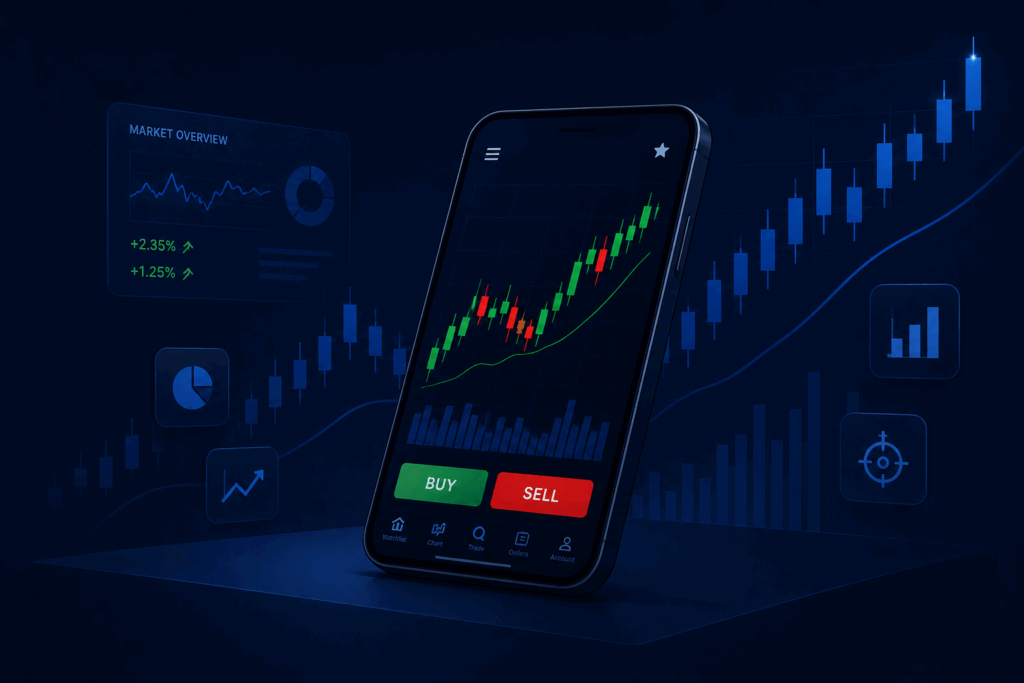
Many modern traders prefer mobile trading due to convenience.
Mobile trading apps allow users to:
- Monitor positions
- Analyze charts
- Receive alerts
- Place trades
- Manage accounts
However, desktop platforms often provide additional screen space and advanced features.
Many experienced traders use both.
A common setup involves:
- Desktop platform for analysis
- Mobile app for monitoring and execution
This combination offers flexibility while maintaining access to advanced trading tools.
User Experience and Platform Design
A clean and intuitive interface can improve the trading experience.
Complex platforms may overwhelm beginners, while overly simplified platforms may lack advanced functionality.
The ideal balance includes:
- Easy navigation
- Clear chart layouts
- Customizable workspaces
- Fast access to essential tools
Good platform design allows traders to focus on the market rather than searching for features.
Take control of your trading future
Supercharge your trading with our expert advisors. Start your journey today!
Security and Reliability
Security should always be a priority when choosing a trading platform.
A reputable day trading app should offer:
- Secure login procedures
- Two-factor authentication
- Data encryption
- Account protection measures
Reliability is equally important.
Platform outages during periods of high market activity can create frustration and potentially impact trading decisions.
Researching platform stability and user feedback can help identify trustworthy providers.
Educational Resources for Traders
Many traders continue learning throughout their trading journey.
The best day trading apps often provide educational resources such as:
- Video tutorials
- Market analysis
- Trading webinars
- Strategy guides
- Economic calendars
Education can help traders build confidence and improve decision-making over time.
The Role of Technology in Modern Day Trading
Technology continues to transform financial markets.
Today’s trading platforms offer tools that were once available only to institutional traders.
Innovations include:
- Advanced charting software
- Automated alerts
- Market scanners
- AI-powered analysis tools
- Cloud-based trading environments
These technologies help traders process information more efficiently.
How Automated Tools Are Influencing Trading
Automation has become increasingly common in modern trading.
Many traders now use technology to assist with:
- Market monitoring
- Pattern recognition
- Data analysis
- Trade management
Automated tools can help reduce manual workload and improve efficiency.
However, automation should not replace proper education, risk management, or independent decision-making.
Common Mistakes When Choosing a Day Trading App
Focusing Only on Low Fees
While fees are important, they should not be the only consideration.
A low-cost platform that lacks essential features may create limitations.
Ignoring Platform Stability
Reliability matters.
Traders should evaluate platform performance, especially during volatile market conditions.
Overlooking Educational Resources
Learning opportunities can be valuable, particularly for newer traders.
Platforms that support ongoing education may provide additional long-term benefits.
Choosing Based on Marketing Alone
Every platform claims to be the best.
Instead of relying solely on promotional materials, traders should test platforms and evaluate their features directly.
How Beginners Can Choose the Best Day Trading App
New traders often benefit from focusing on simplicity.
A beginner-friendly platform should offer:
- Easy navigation
- Educational content
- Clear charting tools
- Demo account access
- Risk management features
As experience grows, traders can explore more advanced functionality.
How Experienced Traders Evaluate Platforms
Experienced traders often focus on:
- Execution speed
- Market access
- Advanced charting
- Platform customization
- Data quality
Their requirements may differ significantly from those of newer traders.
Understanding personal needs is essential when comparing available options.
The Future of Day Trading Apps
Trading technology continues to evolve.
Future developments may include:
- More advanced artificial intelligence tools
- Enhanced automation capabilities
- Improved mobile functionality
- Expanded market access
- Personalized trading experiences
As platforms continue improving, traders will likely gain access to even more sophisticated tools and resources.

Final Thoughts
Finding the best day trading app involves more than choosing the most popular platform.
Traders should evaluate factors such as charting capabilities, execution speed, reliability, security, educational resources, and risk management tools.
The ideal platform depends on individual trading goals, experience level, and preferred markets.
By taking the time to compare features and test available options, traders can select a platform that supports their long-term development and trading objectives.
Disclaimer
Trading financial markets involves risk. The value of investments can rise or fall, and losses may exceed deposits depending on the financial instruments used. Past performance does not guarantee future results. This article is provided for educational and informational purposes only and should not be considered financial, investment, or trading advice. Traders should conduct their own research and consult qualified financial professionals before making investment decisions.

Define Foreign Exchange Management: A Complete Guide to Managing Currency
To define foreign exchange management in simple terms, it is the process of identifying, monitoring, and managing the financial risks…
FGP1 September 2026 Performance Overview
Geographic Restriction & Risk Notice FGP1 is geographically restricted and is not available to U.S. persons or residents. Trading involves substantial…

Australian Dollar (AUD): Why It Strengthened in 2026 and What
The Australian dollar (AUD) has attracted considerable attention in the foreign exchange market throughout 2026. After experiencing a notable appreciation…
Quantitative Trading: A Complete Guide to Data-Driven Trading Strategies
Quantitative trading has changed the way many traders approach financial markets. Instead of making every decision based on instinct, chart…
CFDs Meaning Trading: A Complete Guide to Understanding Contracts for
One term that frequently appears in online trading is CFDs. If you’ve searched for CFDs meaning trading, you’re likely looking…
FGP1 August 2026 Performance Overview
Geographic Restriction & Risk Notice FGP1 is geographically restricted and is not available to U.S. persons or residents. Trading involves substantial…