Table of Contents
- Why most trading news is useless for traders
- The three drivers that make news matter
- The “signal versus noise” checklist for trading news
- The news hierarchy: what to prioritize first
- Take control of your trading future
- How to build a simple daily trading news routine
- Common traps when trading the news
- Turning trading news into a real trading edge
- A practical framework: the NEWS method
- How trading news affects automation and social trading
- What to ignore in trading news (most of the time)
- Tools and habits that help you filter trading news
- FAQ about trading news
- Conclusion: a calmer way to use trading news
If you follow trading news every day, you already know the problem. There is always something happening. A headline. A tweet. A hot take. A sudden spike on the chart. Most of it feels urgent. Very little of it is useful.
That is why traders burn out. They spend hours consuming market updates, but they still feel late. Or they react fast, but without a plan. In the end, “staying informed” becomes the same thing as “being distracted.”
This guide is about trading news that actually matters. Not in theory, but in practice. You will learn how to filter market noise, focus on the few drivers that move price, and turn news into a structured decision. You do not need to predict the future. You need a process that keeps you calm and consistent.
This is especially important if you use a rules-based approach, social trading, or automation. News can create opportunity, but it can also create slippage, spread widening, and whipsaws. The goal is not to avoid news. The goal is to understand what kind of news matters to your strategy, and what you should ignore.
Why most trading news is useless for traders
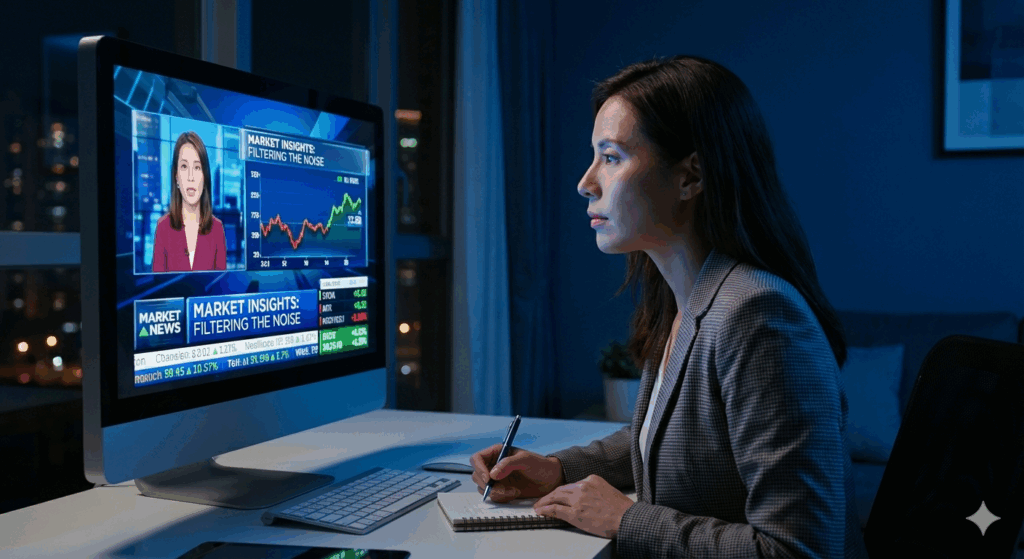
Most headlines are written for clicks, not for execution. They are designed to trigger emotion. Fear, excitement, outrage, hope. Emotion makes people keep scrolling.
Traders, however, need a different skill. You need to translate information into action. If a headline does not change your plan, it is entertainment. Entertainment is fine, but it is not trading.
Here are the most common reasons trading news fails traders:
- It is late. Price often moves before the headline is popular.
- It is vague. “Markets rise on optimism” explains nothing you can trade.
- It is noisy. Small stories get treated like big events.
- It is biased. Many sources push a narrative, not a framework.
- It encourages overtrading. More information can create more impulse.
So instead of asking, “What happened?” ask, “Does this change risk, liquidity, or expectations?” That question is the start of filtering.
The three drivers that make news matter
Almost all market-moving news affects one of these three things:
- Expectations
Markets trade the future, not the present. When new data changes expectations, price reacts. - Liquidity
Liquidity is how easily price can move without big jumps. Low liquidity means sharp moves and poor fills. - Risk appetite
When traders feel safe, they buy risk. When they feel uncertain, they reduce exposure.
If a piece of news does not impact expectations, liquidity, or risk appetite, it usually fades fast.
The “signal versus noise” checklist for trading news
Before you react to any headline, run it through this quick checklist. It takes 30 seconds, and it saves you from impulsive trades.
1) Is it scheduled or unscheduled?
Scheduled news includes economic calendar events and planned announcements. Examples include CPI, interest rate decisions, and employment reports. Unscheduled news includes geopolitical events, sudden resignations, and surprise policy comments.
Scheduled events are easier to plan around. Unscheduled events are more dangerous because liquidity can vanish.
2) Is it high-impact or low-impact?
High-impact does not mean “big story.” It means “likely to move expectations.” A small sentence from a central bank can matter more than a dramatic headline.
High-impact often includes:
- Central bank rate decisions and guidance
- Inflation data (CPI, PCE)
- Labor data (NFP, unemployment rate)
- GDP and growth surprises
- Major geopolitical escalation
- Systemic risk events in finance
3) Is the market already positioned for it?
The same news can cause different moves depending on positioning. If everyone expects good news, good news may do nothing. Or it can even cause a selloff.
Ask:
- Was there a strong trend into the event?
- Was volatility already rising?
- Are traders “crowded” on one side?
4) Does it change the next decision point?
This is the most important filter. If the headline does not change what could happen next, it is usually noise.
For example:
- A surprise in inflation can change the next rate decision.
- A routine speech that repeats old points rarely changes anything.
The news hierarchy: what to prioritize first
When you feel overwhelmed, use a hierarchy. Start at the top and work down. Most days, you only need the top two.
1) Central bank policy and forward guidance
Interest rates and expectations about rates are a major engine for currencies and risk assets. A rate decision matters, but the guidance often matters more.
Pay attention to:
- The statement language
- The press conference tone
- Any shift in inflation or growth focus
- Signals about future rate paths
2) Inflation and employment data
Inflation and jobs feed directly into central bank decisions. This is why CPI and major employment releases can move markets fast.
You do not need to memorize every number. Focus on:
- Surprise versus forecast
- Trend direction over time
- Components that tend to drive policy discussions
3) Growth and risk sentiment
GDP, PMI surveys, consumer confidence, and credit conditions can shift the “risk on versus risk off” mood.
4) Earnings and company guidance (for equities)
For stocks, the forward outlook often matters more than the past quarter.
5) Geopolitics and shock events
These can dominate everything. They can also reverse quickly. For traders, risk control matters more than prediction here.
Take control of your trading future
Supercharge your trading with our expert advisors. Start your journey today!
How to build a simple daily trading news routine
You do not need to live inside news feeds. You need a routine that is short, consistent, and aligned with your strategy.
Here is a routine that works for most traders and stays Yoast-friendly because it is structured and repeatable.
Step 1: One morning scan (10 minutes)
Your goal is to understand the day’s main risk events. Nothing more.
Check:
- The highest impact calendar events
- Any major overnight moves and why they happened
- Any clear shifts in market expectations
Write down three items:
- What matters today
- When it happens
- What could change if it surprises
Step 2: Define your “no trade zones”
News is not only about opportunity. It is also about when not to trade.
Many traders avoid new positions:
- Right before top-tier releases
- During the first minutes after the release
- During low liquidity periods
If you trade with automation or copy systems, you still need risk rules. News can widen spreads and increase slippage.
Step 3: Pre-plan reactions, not predictions
Instead of guessing the number, create scenarios.
Example:
- If inflation is higher than expected, rate expectations may rise, and the currency may strengthen.
- If inflation is lower, rate expectations may fall, and the currency may weaken.
You are not promising a move. You are mapping likely pressure points.
Step 4: Post-event review (5 minutes)
After major events, note:
- What was released versus expected
- How price reacted in the first move
- Whether the move held or faded
- What it suggests about positioning
This is how you improve faster than the average headline reader.
Common traps when trading the news
Trap 1: Trading the headline, not the context
A number can look bullish, but the details can be mixed. Or the market can be focused on something else entirely.
Context includes:
- Trend into the event
- Broader risk mood
- Central bank priorities
- Correlations across markets
Trap 2: Chasing the first candle
The first spike after a release is often chaotic. Spreads can widen. Liquidity can thin out. Many moves reverse.
If you trade the news, define the conditions for entry. Do not chase speed.
Trap 3: Believing one story explains everything
Markets are complex. News stories are simple. When a story is too neat, it is probably incomplete.
Trap 4: Overreacting to commentary
Analysts and influencers will interpret everything instantly. Their goal is to sound confident. Your goal is to manage risk.
Use commentary for ideas, not for signals.
Turning trading news into a real trading edge
News becomes an edge when it helps you do one of these:
- Avoid bad trades during unstable conditions
- Identify a change in regime (trend, volatility, correlation)
- Spot a mismatch between expectations and reality
- Size risk appropriately for the environment
In other words, trading news matters when it changes your decision process.
Regime shifts: the “big win” from news
A regime shift is when the market changes how it behaves. This is where real opportunity often appears.
Examples of regime shifts:
- A central bank pivots from hiking to cutting
- Inflation stops falling and starts rising again
- Volatility expands after a long quiet period
- Correlations flip (risk assets stop moving together)
If you can recognize a regime shift early, you can avoid fighting the new reality.
A practical framework: the NEWS method
Use this four-step method to make trading news actionable.
N: Name the event
What is it, and why do people care?
E: Expectations
What did the market expect? What was priced in?
W: What changed
What is different now? Is the surprise big enough to matter?
S: Strategy adjustment
Do you reduce risk, avoid trading, or look for setups after volatility settles?
If you cannot complete step S, you are not ready to trade that news.
How trading news affects automation and social trading
If you follow signal providers or use automated strategies, news still matters. It matters differently.
News can impact:
- Execution quality (slippage, spreads, re-quotes)
- Drawdowns during volatility spikes
- Correlations that break strategy assumptions
- Risk stacking across multiple pairs or instruments
So the goal is not “trade news better.” The goal is “protect the strategy.”
Practical steps:
- Limit exposure around top-tier events
- Avoid stacking too many correlated positions
- Use position sizing rules that assume volatility can double
- Monitor max drawdown limits and pause rules
A calm risk plan will outperform a perfect news prediction over time.
What to ignore in trading news (most of the time)
Ignoring noise is a skill. Here are items that usually do not deserve your attention unless they clearly affect expectations.
- Routine political drama with no policy change
- “Market is up because traders are optimistic” style commentary
- Minor data releases with low policy relevance
- Social media hype without verified information
- One-off stories that do not change the next decision point
You can always review them later. You cannot get back money lost to impulse.
Tools and habits that help you filter trading news
You do not need fancy software. You need habits.
Use one primary source for the calendar
Too many calendars create confusion. Pick one reliable calendar view and stick to it.
Track forecasts and surprises
Forecast versus actual is the core of news trading. You care about surprise and trend, not just the number.
Keep a short “market focus” note
Each week, write one sentence:
“What does the market care about right now?”
It might be inflation. It might be jobs. It might be risk. That sentence helps you filter.
Build a “do not trade” rulebook
Write down:
- Which events you avoid
- How long you wait after the event
- When you reduce position size
Rules remove emotion.
FAQ about trading news
What is trading news?
Trading news is market-related information that can affect price. This includes economic data, central bank decisions, earnings, and major events that shift expectations.
Is trading news good for day trading?
It can be, but it adds risk. News can create fast moves, but also spread widening and whipsaws. Many day traders use news to plan when to trade and when to stay out.
Which trading news moves forex the most?
Central bank decisions, inflation data, and top-tier employment data often have the biggest impact because they shift rate expectations.
Should I trade right when news releases?
Only if you have a tested plan and you understand execution risk. Many traders wait for the first reaction to settle and then trade a cleaner setup.
How do I filter fake or misleading trading news?
Use sources with a track record, confirm the original statement when possible, and focus on whether the news changes expectations. If it only creates emotion, treat it as noise.
Conclusion: a calmer way to use trading news
Trading news is not the enemy. Noise is the enemy.
When you filter headlines through expectations, liquidity, and risk appetite, the market becomes easier to read. You stop reacting to every story. You start focusing on the events that can truly shift price behavior.
Use the checklist. Use the hierarchy. Use the NEWS method. Most importantly, use rules that protect you when volatility spikes.
That is how trading news becomes a tool, not a distraction.
Disclaimer (Auvoria Prime)
This article is for educational and informational purposes only. It does not constitute investment advice, financial advice, trading advice, or a recommendation to buy or sell any financial instrument. Trading involves significant risk and may not be suitable for all investors. Past performance is not indicative of future results. You are responsible for your own decisions, and you should consider your financial situation, objectives, and risk tolerance before trading. If needed, seek independent advice from a qualified professional.
FGP1 August 2026 Performance Overview
Geographic Restriction & Risk Notice FGP1 is geographically restricted and is not available to U.S. persons or residents. Trading involves substantial…

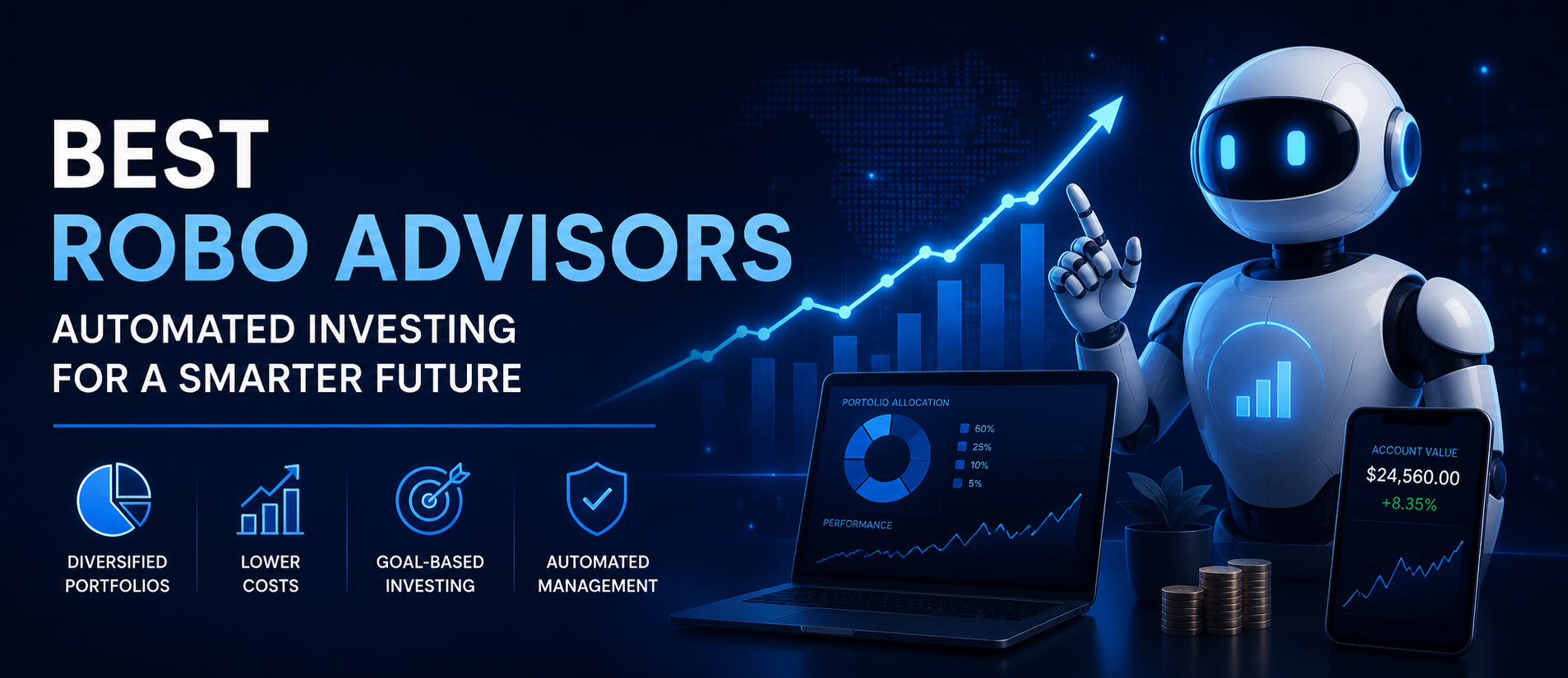
Best Robo Advisors: A Complete Guide to Automated Investing
Choosing how to invest has become easier than ever thanks to technology. One of the biggest innovations in recent years…

Best Day Trading App: What Traders Should Look for Before
Day trading has become more accessible than ever. With the rise of mobile technology, cloud-based platforms, and real-time market data,…
FGP1 July 2026 Performance Overview
Geographic Restriction & Risk Notice FGP1 is geographically restricted and is not available to U.S. persons or residents. Trading involves substantial…
London Session Forex Time: Everything Traders Need to Know About
The foreign exchange market operates 24 hours a day, five days a week. While trading is possible around the clock,…

FGP1 June 2026 Performance Overview
Geographic Restriction & Risk Notice FGP1 is geographically restricted and is not available to U.S. persons or residents. Trading involves substantial…