Table of Contents
Introduction
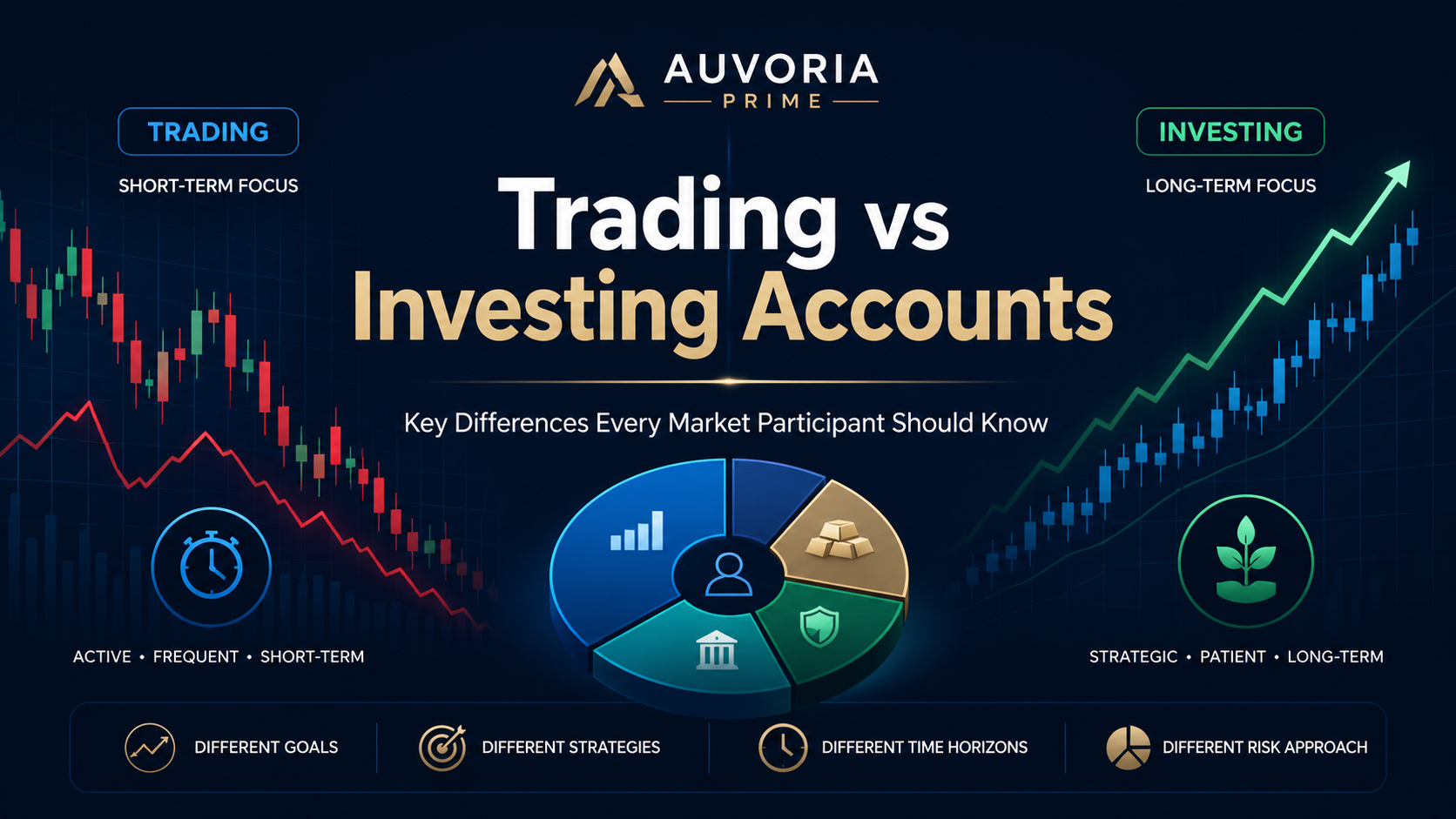
Trading vs Investing Accounts is a topic every market participant should understand before opening an account, placing orders, or choosing a platform. At first, trading and investing may look similar. Both involve financial markets. Both can include assets like stocks, indices, forex, commodities, exchange-traded funds, or other instruments. Both also require discipline, planning, and risk awareness.
However, trading and investing accounts are not the same.
A trading account is usually built for active market participation. It is often used by people who want to enter and exit positions over shorter periods. This may include day trading, swing trading, forex trading, CFD trading, or short-term speculation.
An investing account is usually built for longer-term wealth building. It is often used by people who want to buy and hold assets for months, years, or even decades. This may include stock investing, ETF investing, dividend investing, or retirement planning.
The difference matters because your account type can influence your strategy, costs, risk level, tax considerations, platform tools, and emotional approach. Choosing the wrong account for your goals can lead to confusion, poor decisions, and unnecessary risk.
This guide explains the key differences between trading and investing accounts in a simple and practical way. It also covers who each account may suit, what risks to consider, and how to think before getting started.

What Is a Trading Account?
A trading account is an account used to buy and sell financial instruments with a shorter-term approach. The goal is usually to take advantage of price movement.
Traders often focus on market timing. They may look for price patterns, volatility, news events, technical setups, or short-term trends. Instead of holding an asset for many years, a trader may hold a position for minutes, hours, days, or weeks.
A trading account may give access to markets such as:
- Forex
- Indices
- Commodities
- Stocks
- Cryptocurrencies
- Contracts for Difference
- Futures
- Options
The exact products available depend on the broker, account type, location, and regulations.
Trading accounts often include tools that help with faster decisions. These tools may include charts, indicators, order types, margin settings, watchlists, news feeds, and risk management features.
Because trading is more active, it usually requires more attention. Traders often monitor markets more closely than long-term investors. They may also need a clear plan for entry points, exit points, position size, and stop-loss levels.
What Is an Investing Account?
An investing account is an account used to buy and hold assets for a longer period. The goal is usually to build wealth over time.
Investors often focus on the long-term value of an asset. They may look at company fundamentals, earnings, dividends, economic trends, sector performance, or portfolio diversification.
An investing account may give access to assets such as:
- Individual stocks
- Exchange-traded funds
- Mutual funds
- Bonds
- Dividend-paying shares
- Long-term portfolio products
Investing accounts are often used by people who want gradual growth. They may not want to watch the market every day. Instead, they may build a portfolio and review it from time to time.
Investing is usually less active than trading. However, it still requires research and planning. Investors need to understand what they are buying, why they are buying it, and how it fits into their wider financial goals.
Trading vs Investing Accounts: The Main Difference
The main difference between trading and investing accounts is the time horizon.
A trading account is usually focused on short-term price movement. An investing account is usually focused on long-term growth.
This difference affects almost everything else.
For example, a trader may care about a strong move on a five-minute chart. An investor may care more about whether a company can grow earnings over the next five years.
A trader may close a position quickly if the setup changes. An investor may hold through short-term volatility if the long-term idea remains strong.
A trader may use stop-loss orders regularly. An investor may use diversification, asset allocation, and time in the market as part of risk management.
Both approaches can be valid. However, they require different mindsets, tools, and expectations.
Time Horizon
Time horizon is one of the clearest differences between trading and investing accounts.
Trading accounts are often used for shorter holding periods. These may include:
- Scalping, where trades may last seconds or minutes
- Day trading, where trades are closed before the end of the day
- Swing trading, where trades may last several days or weeks
- Short-term speculation around news or momentum
Investing accounts are usually used for longer holding periods. These may include:
- Several months
- Several years
- Multiple decades
- Retirement planning periods
The longer time horizon changes the decision-making process. Investors often care less about daily price noise. Traders, on the other hand, may depend on smaller market moves.
This does not mean investing is risk-free. Markets can fall for long periods. Companies can underperform. Economic conditions can change. But the investor usually gives the position more time to work.
A trader often has less room for error because the holding period is shorter. A poor entry, high leverage, or lack of risk control can create quick losses.
Account Purpose
The purpose of the account is also different.
A trading account is often used for active market opportunities. The user may want to generate short-term returns from market movement. This requires a structured process and regular decision-making.
An investing account is often used for long-term financial goals. These goals may include wealth building, retirement planning, capital preservation, or income from dividends.
A trading account may suit someone who wants to study charts, follow price action, and manage positions actively.
An investing account may suit someone who wants to build a portfolio gradually and allow time to do more of the work.
Before opening either account, it helps to ask:
- What is my goal?
- How much time can I commit?
- How much risk can I handle?
- Do I want active decisions or long-term exposure?
- Do I understand the products I am using?
Clear answers can help prevent using an account in the wrong way.
Risk Level
Both trading and investing involve risk. However, the type and speed of risk can be different.
Trading accounts can carry higher short-term risk. This is especially true when leverage or margin is involved. Leverage can increase exposure, but it can also increase losses. Small price movements can have a larger impact on the account.
Trading also involves execution risk. A trader may enter too late, exit too early, overtrade, or react emotionally to market movement.
Common trading risks include:
- Market volatility
- Leverage risk
- Overtrading
- Poor position sizing
- Emotional decisions
- Slippage
- Fast losses during news events
Investing accounts also carry risk, but the risk is often linked to long-term asset performance. An investor may face market downturns, weak company earnings, interest rate changes, inflation, or sector declines.
Common investing risks include:
- Market risk
- Company-specific risk
- Inflation risk
- Liquidity risk
- Concentration risk
- Long periods of underperformance
The key point is simple. Trading risk can appear quickly. Investing risk can build or unfold over time.
Neither account removes risk. A strong plan is needed in both cases.
Use of Leverage and Margin
Leverage is one of the biggest differences between many trading and investing accounts.
A trading account may offer leverage or margin. This means the user can control a larger position than the amount deposited. For example, a small deposit may provide exposure to a larger market value.
This can increase potential gains, but it can also increase potential losses. In some cases, losses can happen very quickly.
Leverage is common in markets such as forex, CFDs, futures, and some margin stock accounts. It should be used with care.
Investing accounts may also offer margin in some cases, but long-term investing usually does not depend on leverage. Many investors simply buy assets using available cash. This can reduce the risk of forced selling during market volatility.
For beginners, leverage can be especially dangerous if they do not understand position size, margin requirements, stop-loss orders, and liquidation risk.
A simple rule is useful here. The more leverage an account allows, the more important risk control becomes.
Trading Frequency
Trading accounts are designed for more frequent activity. A trader may place several trades per week, per day, or even per hour. The exact frequency depends on the strategy.
Investing accounts are usually less active. An investor may buy assets monthly, quarterly, or when a clear opportunity appears. Some investors follow a buy-and-hold approach with only occasional changes.
Higher trading frequency can create more costs. These may include spreads, commissions, swap fees, platform fees, or other charges.
Even small costs can add up when many trades are placed.
For example, a trader who enters and exits positions often must overcome transaction costs before becoming profitable. An investor who trades less often may face fewer transaction costs over time.
This is why the cost structure of the account matters. A trading account should have competitive execution and transparent fees. An investing account should have reasonable custody, fund, and transaction costs.
Tools and Platform Features
Trading accounts often provide tools for active decision-making. These tools may include:
- Advanced charting
- Technical indicators
- Fast order execution
- Stop-loss and take-profit orders
- Real-time price quotes
- Market news
- Economic calendars
- Watchlists
- Risk management tools
These features help traders react to market movement and manage active positions.
Investing accounts may focus more on portfolio tools. These may include:
- Portfolio overview
- Dividend tracking
- Asset allocation tools
- Research reports
- Fund screeners
- Performance charts
- Long-term return summaries
- Recurring investment features
The right platform depends on the user’s goal.
A trader may need speed, charts, and order control. An investor may need research, diversification tools, and long-term reporting.
Using a platform built for the wrong purpose can make the experience harder. For example, an investor may not need complex short-term chart tools. A trader may feel limited on a platform that only supports basic buy-and-hold functions.
Strategy and Analysis
Trading and investing also use different types of analysis.
Traders often rely on technical analysis. This means studying price charts, patterns, indicators, support and resistance levels, volume, volatility, and market structure.
Some traders also use fundamental events. These may include interest rate decisions, inflation reports, earnings releases, employment data, or central bank comments.
Investors often rely more on fundamental analysis. This means studying the quality and value of an asset. For stocks, this may include revenue, profit, debt, cash flow, dividends, competitive position, and management quality.
Investors may also consider macroeconomic conditions, industry trends, valuation, and long-term growth potential.
Here is a simple way to separate the two:
- Traders often ask, “Where can price move next?”
- Investors often ask, “What is this asset worth over time?”
Both questions matter. But they lead to different decisions.
Get Kraitos Elite Now!
Supercharge your trading with our expert advisors. Start your journey today!
Emotional Discipline
Emotions affect both trading and investing accounts.
Trading can create fast emotional pressure. Price moves quickly. Decisions may need to be made in real time. This can lead to fear, greed, revenge trading, or panic exits.
A trader needs a clear system. This may include rules for:
- When to enter
- When to exit
- How much to risk
- When to stop trading
- How to handle losses
- How to review performance
Investing can also be emotional, but in a different way. Investors may struggle during market crashes, long periods of poor performance, or when popular assets rise faster than their own portfolio.
An investor needs patience. They also need the ability to stay focused on long-term goals.
In both cases, emotional discipline matters as much as market knowledge.
A good account does not replace discipline. It only gives the tools. The user still needs the plan.
Costs and Fees
Costs are important for both trading and investing accounts.
Trading accounts may include costs such as:
- Spreads
- Commissions
- Overnight financing fees
- Swap fees
- Inactivity fees
- Withdrawal fees
- Platform fees
Investing accounts may include costs such as:
- Share dealing fees
- Fund management fees
- ETF expense ratios
- Custody fees
- Currency conversion fees
- Account maintenance fees
Because traders may place more orders, trading costs can add up quickly. A small spread may seem harmless, but it can affect performance over hundreds of trades.
Investors may face lower trading frequency, but long-term fund fees can also reduce returns over time.
This is why account comparison matters. Market participants should understand the full cost structure before choosing a provider.
Low fees are helpful, but they are not the only factor. Regulation, execution quality, support, platform stability, and product access also matter.
Product Access
Trading and investing accounts may offer different products.
A trading account may provide access to leveraged products and short-term instruments. These may include forex pairs, CFDs, indices, commodities, futures, and options.
An investing account may provide access to long-term ownership products. These may include stocks, ETFs, bonds, and funds.
The difference is important because product structure changes risk.
For example, buying a stock means owning a share in a company. Trading a CFD on that stock does not usually mean owning the stock. Instead, it means speculating on price movement through a contract.
This affects rights, costs, leverage, dividends, and risk.
Before using any product, users should understand:
- What the product represents
- Whether they own the underlying asset
- Whether leverage is involved
- What fees apply
- What happens if the market moves against them
- Whether the product suits their experience level
Never assume that all market products work the same way.
Ownership
Ownership is another key difference.
In many investing accounts, users buy and own assets directly or indirectly. For example, they may own shares, ETFs, or fund units.
Ownership may come with certain benefits. These can include dividend payments, voting rights, or long-term participation in company growth. The exact rights depend on the asset and account provider.
In many trading accounts, especially CFD accounts, users may not own the underlying asset. They are trading price movement through a contract.
This does not make trading wrong. It simply means the account works differently.
If ownership matters to you, check the account terms carefully. Understand whether you are buying the asset itself or trading a derivative based on the asset price.
Tax Considerations
Tax treatment can differ between trading and investing accounts. It may depend on your country, account type, product type, holding period, and personal situation.
Trading profits, investing gains, dividends, interest, and losses may all be treated differently.
Some countries also have special tax accounts for long-term investing. Others may apply different rules to derivatives, forex, or leveraged products.
Because tax rules vary, market participants should not rely on general information. It is better to speak with a qualified tax professional in your region.
Keeping records is also important. Account statements, trade history, deposits, withdrawals, fees, and dividend payments may be needed for reporting.
Who May Prefer a Trading Account?
A trading account may suit someone who wants active involvement in the markets. It may be suitable for people who enjoy analysis, charts, short-term setups, and structured decision-making.
A trading account may be a better fit if you:
- Want to trade shorter-term price movement
- Understand risk management
- Have time to monitor markets
- Can handle fast decisions
- Are comfortable with charts and order types
- Understand leverage before using it
- Have a clear trading plan
However, trading is not suitable for everyone. It can be stressful and risky. Many beginners underestimate how hard it is to trade consistently.
Education, practice, and risk control are essential.
Who May Prefer an Investing Account?
An investing account may suit someone who wants long-term market exposure. It may be a better fit for people who prefer patience, gradual portfolio building, and less frequent decision-making.
An investing account may be a better fit if you:
- Want to build wealth over time
- Prefer a longer time horizon
- Do not want to monitor markets constantly
- Want to buy and hold assets
- Focus on diversification
- Are comfortable with market ups and downs
- Want exposure to stocks, ETFs, funds, or bonds
Investing also requires care. Long-term does not mean risk-free. Asset selection, diversification, costs, and behavior still matter.
Can You Have Both Account Types?
Yes, some market participants use both trading and investing accounts. However, they usually separate the purpose of each account.
For example, one account may be used for long-term investing. Another account may be used for active trading.
This separation can help avoid confusion. It can also prevent a long-term investment from turning into a short-term trade, or a short-term trade from becoming an unwanted long-term position.
If someone uses both, it is important to define rules clearly.
For example:
- The investing account is for long-term holdings only.
- The trading account is for short-term strategies only.
- Each account has its own risk limit.
- Profits and losses are reviewed separately.
- Leverage is only used under strict rules.
Without separation, decisions can become emotional and messy.
Common Mistakes to Avoid
Many beginners make the same mistakes when choosing between trading and investing accounts.
Common mistakes include:
- Opening an account without understanding the products
- Using leverage too early
- Confusing short-term trading with long-term investing
- Taking large risks without a plan
- Ignoring fees
- Following hype instead of research
- Trading too often
- Selling investments during panic
- Holding losing trades without a reason
- Choosing a platform only because it looks simple
These mistakes can be costly.
The better approach is to start with education. Learn how the account works before depositing large amounts. Understand the risks before using advanced tools. Build a plan before placing trades or investments.
How to Choose the Right Account
Choosing between trading and investing accounts starts with self-awareness.
Ask yourself:
- What is my main goal?
- Do I want short-term opportunities or long-term growth?
- How much time can I spend each week?
- How much risk can I accept?
- Do I understand leverage?
- Do I want to own assets or trade price movement?
- What fees will I pay?
- Is the provider regulated?
- Does the platform match my experience level?
The right account should match your goals, not someone else’s opinion.
If you want active market participation, a trading account may be more suitable. If you want long-term portfolio growth, an investing account may be more suitable.
If you are unsure, take time to learn first. There is no need to rush.
Why Education Comes First
Before choosing any account, education should come first.
Markets can reward good decisions, but they can also punish poor preparation. A platform can make access easy, but easy access does not remove risk.
Education helps users understand:
- Market structure
- Risk management
- Product types
- Leverage
- Fees
- Volatility
- Order execution
- Long-term portfolio planning
The more you understand, the better your decisions can become.
This is especially true for trading accounts, where fast movement and leverage may increase the risk of losses. But it is also true for investing accounts, where poor asset selection or emotional decisions can damage long-term results.
Good education does not guarantee profit. However, it can help reduce avoidable mistakes.
Final Thoughts
Trading vs Investing Accounts is not only a comparison of account types. It is a comparison of goals, time horizons, risk levels, tools, and behavior.
A trading account is usually built for active market participation. It may suit people who want to trade short-term price movement and manage positions closely.
An investing account is usually built for long-term wealth building. It may suit people who want to buy and hold assets over time.
Neither option is automatically better. The right choice depends on your personal goals, knowledge, risk tolerance, and available time.
Before opening an account, take time to understand how it works. Learn the products. Review the costs. Check the risks. Build a plan.
Markets will always involve uncertainty. A clear account choice can help you approach that uncertainty with more structure and confidence.
Disclaimer
This article is for educational and informational purposes only. It does not provide financial, investment, trading, tax, or legal advice. Trading and investing involve risk, and you may lose money. Leveraged products can increase losses as well as gains. Past performance does not guarantee future results. Always do your own research and consider speaking with a qualified financial professional before making financial decisions.
FGP1 August 2026 Performance Overview
Geographic Restriction & Risk Notice FGP1 is geographically restricted and is not available to U.S. persons or residents. Trading involves substantial…
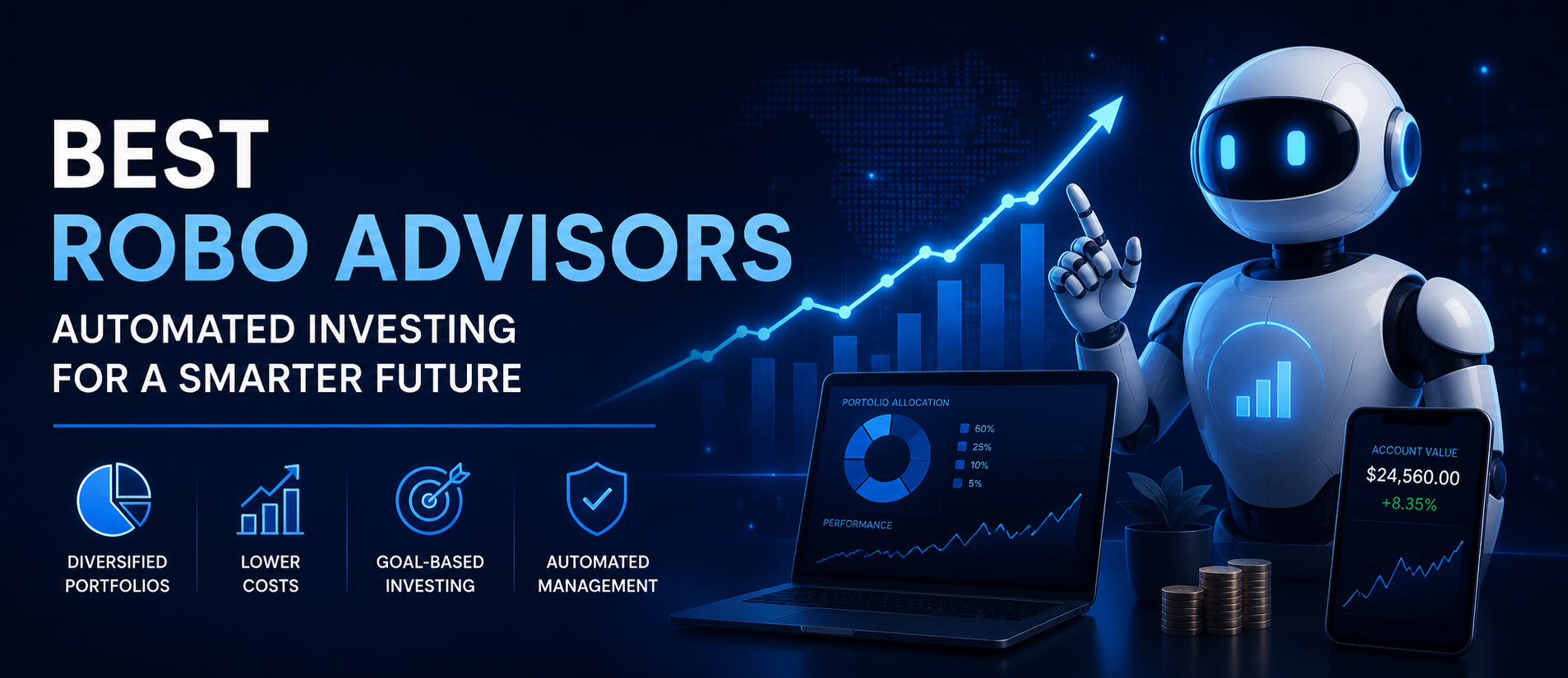
Best Robo Advisors: A Complete Guide to Automated Investing
Choosing how to invest has become easier than ever thanks to technology. One of the biggest innovations in recent years…
Best Day Trading App: What Traders Should Look for Before
Day trading has become more accessible than ever. With the rise of mobile technology, cloud-based platforms, and real-time market data,…
FGP1 July 2026 Performance Overview
Geographic Restriction & Risk Notice FGP1 is geographically restricted and is not available to U.S. persons or residents. Trading involves substantial…
London Session Forex Time: Everything Traders Need to Know About
The foreign exchange market operates 24 hours a day, five days a week. While trading is possible around the clock,…

FGP1 June 2026 Performance Overview
Geographic Restriction & Risk Notice FGP1 is geographically restricted and is not available to U.S. persons or residents. Trading involves substantial…